The works
Six books. One Atlas. A widening argument.
Sacred Ideas in Our Material Universe is a six-book series. Atlas of the Sacred is the seventh principal title: a forthcoming companion and reference work.
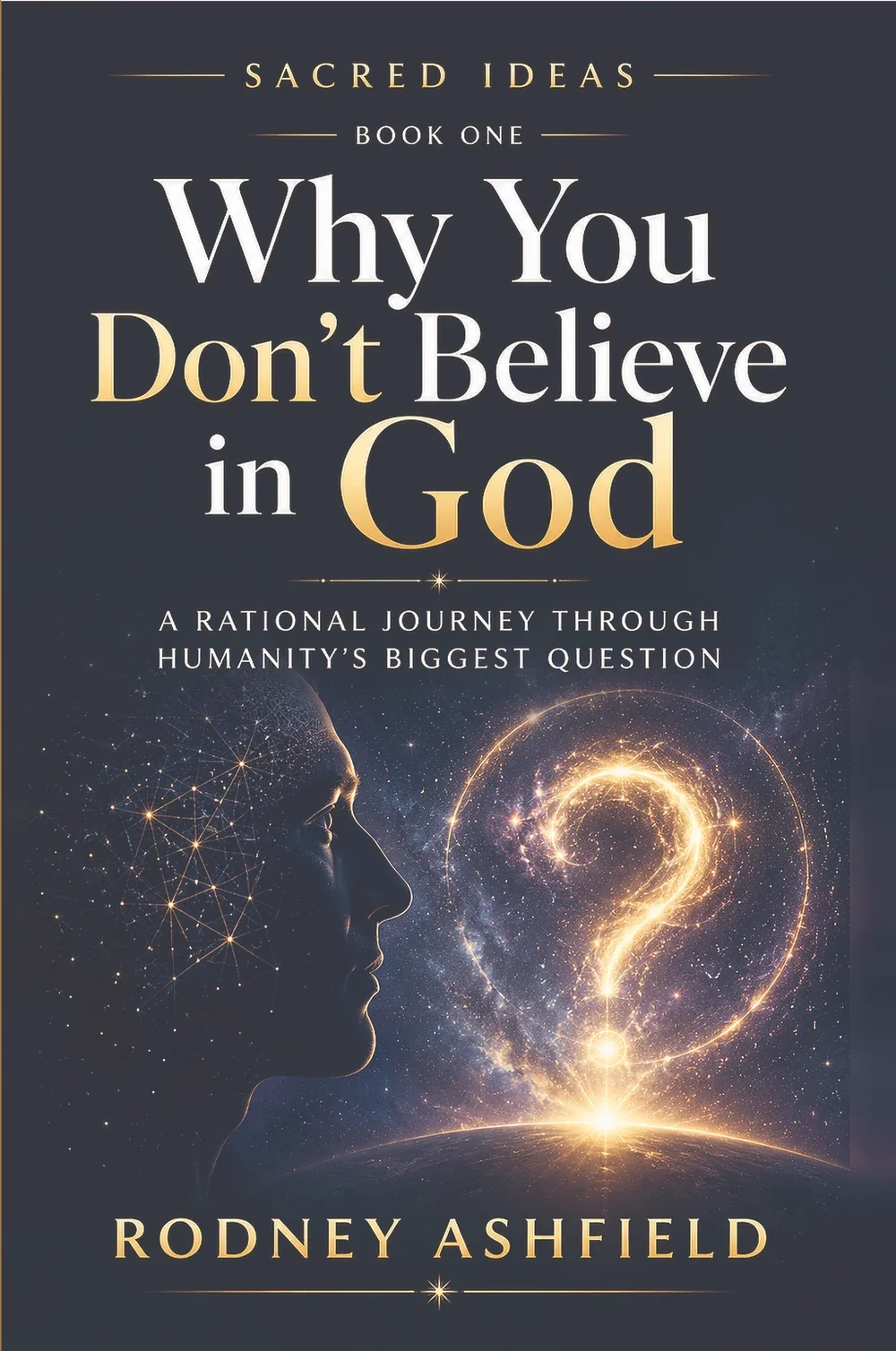
Book One
Why You Don’t Believe in God
A Rational Journey Through Humanity’s Biggest Question
The opening inquiry: what happens to belief in God when inherited certainty becomes difficult to sustain?
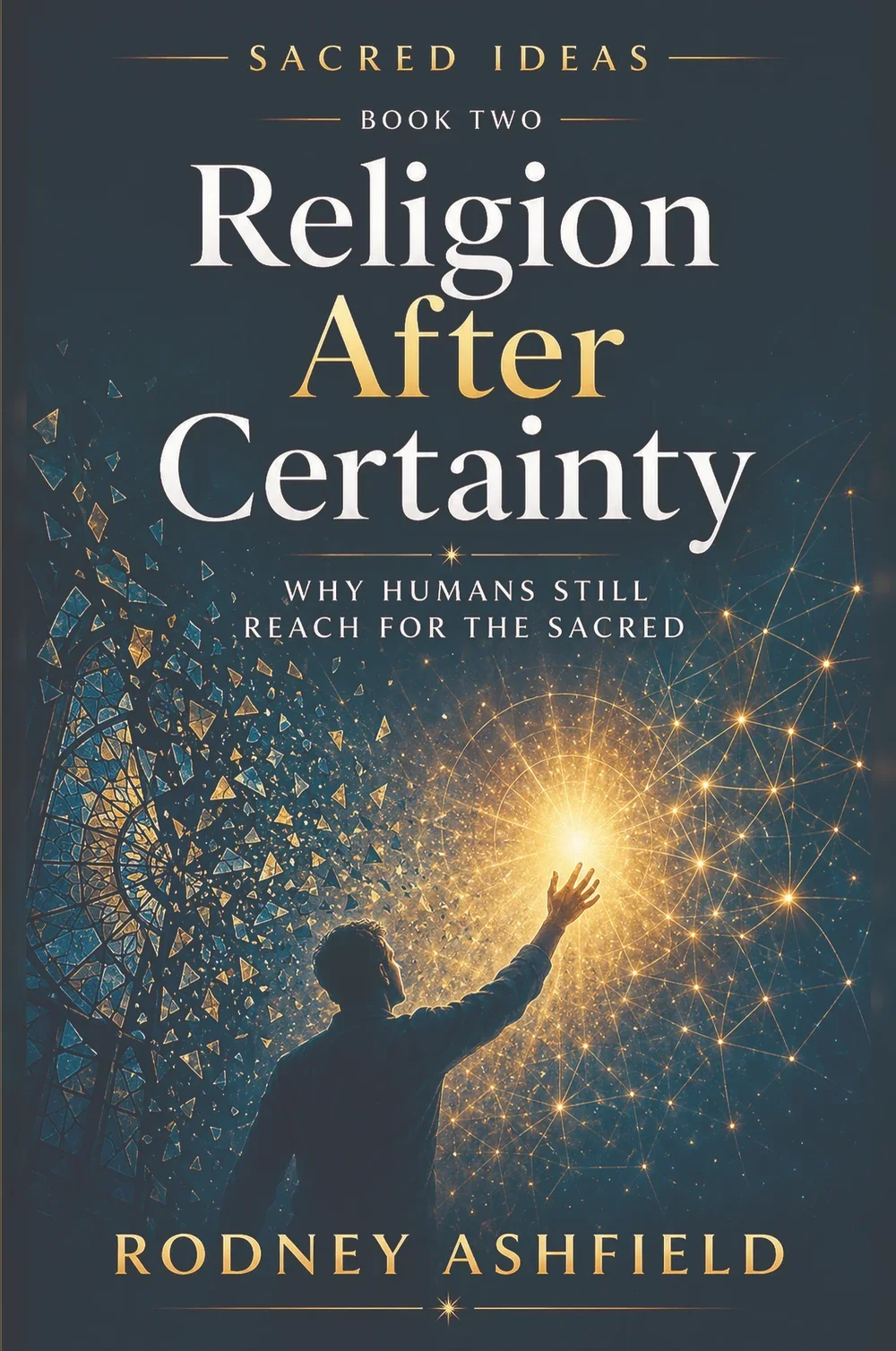
Book Two
Religion After Certainty
Why Humans Still Reach for the Sacred
Why religion persists, what it has carried, and what human beings may still be reaching for after certainty.
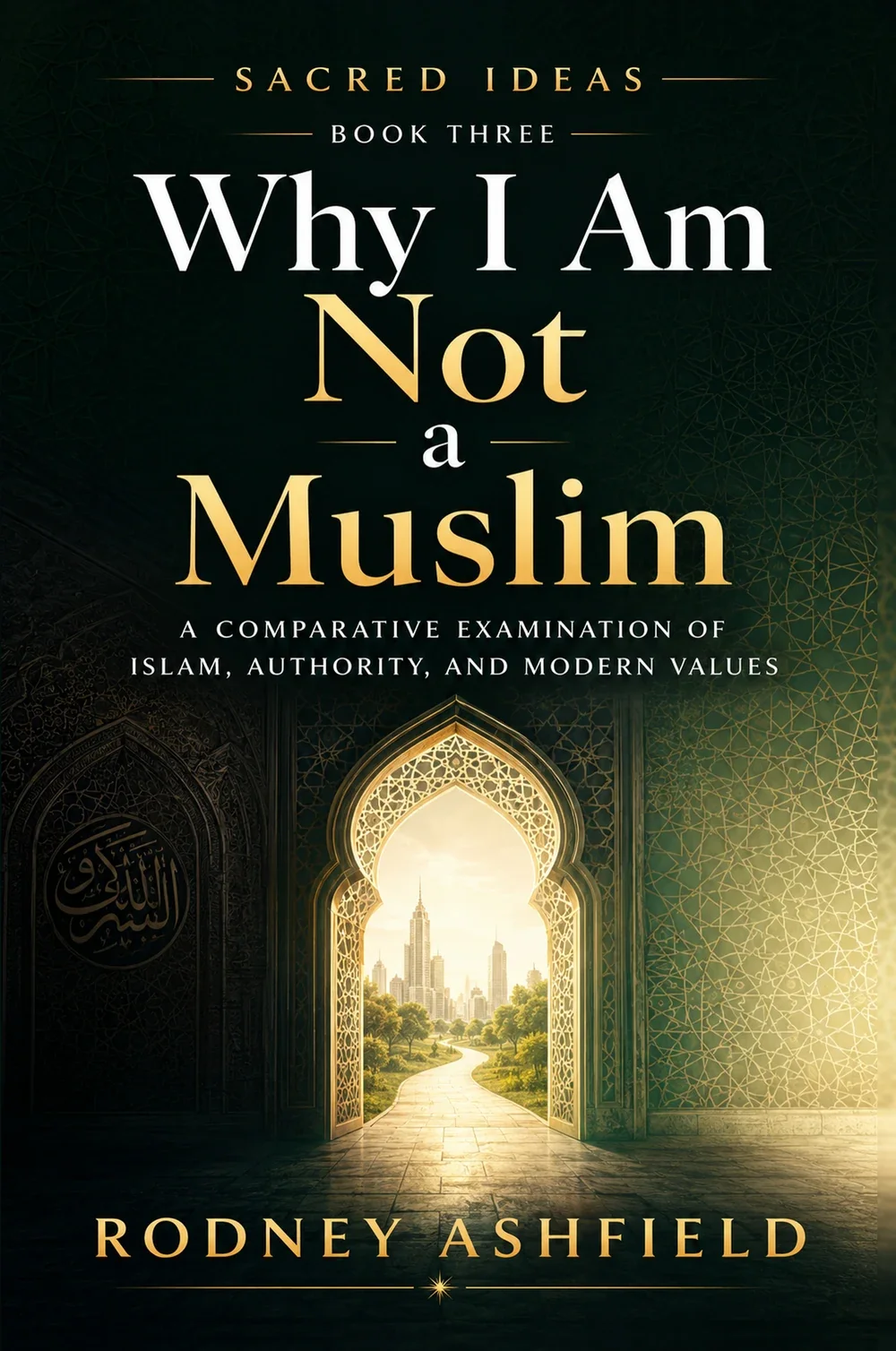
Book Three
Why I Am Not a Muslim
A Comparative Examination of Islam, Authority, and Modern Values
A comparative examination of Islam, authority, interpretation and modern pluralism.
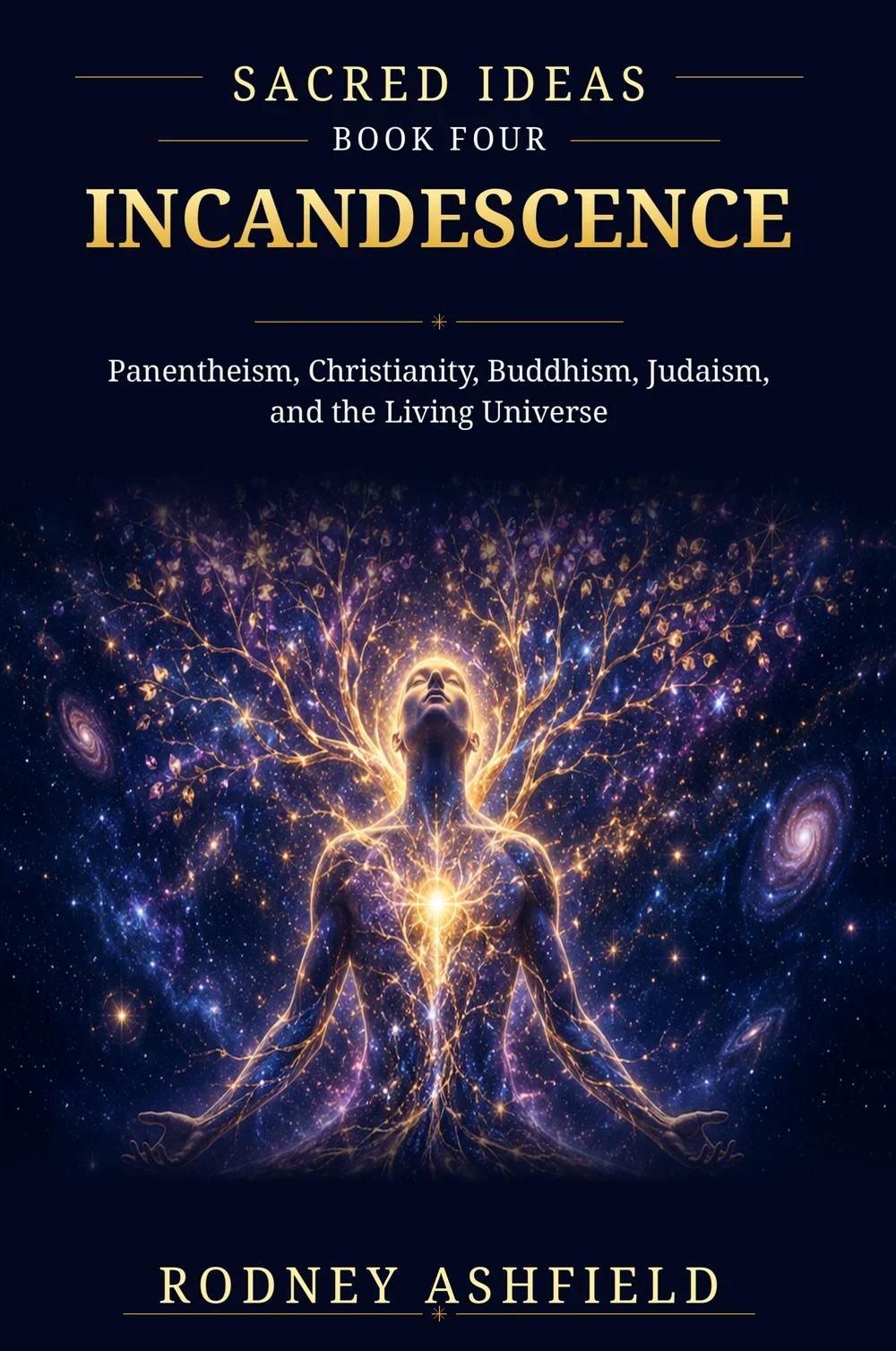
Book Four
Incandescence
Panentheism, Christianity, Buddhism, Judaism, and the Living Universe
The central constructive proposal: nature inward through conscious life and the responsibility that may follow.
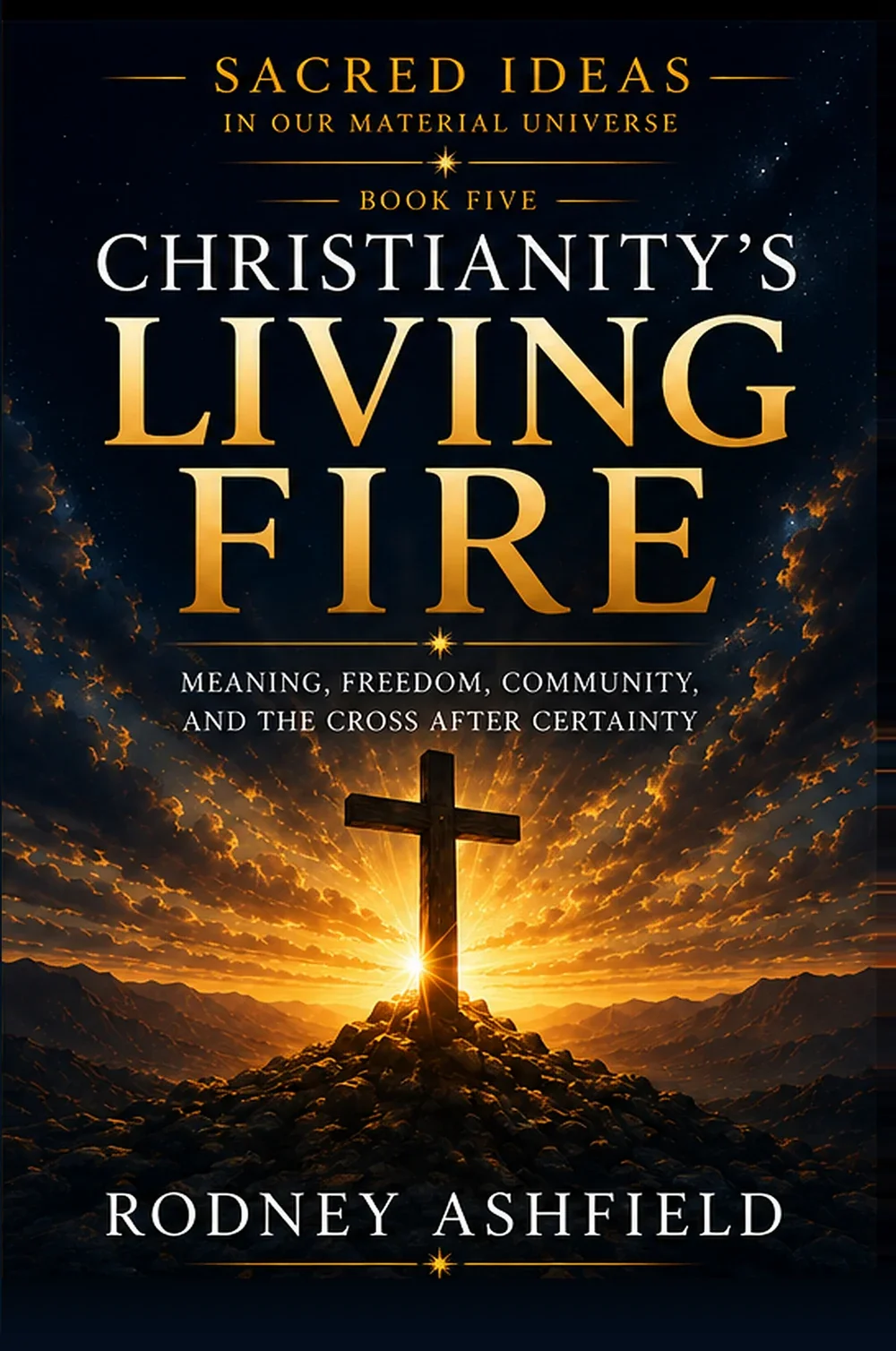
Book Five
Christianity’s Living Fire
Meaning, Freedom, Community, and the Cross After Certainty
What Christianity may still carry when certainty, authority and supernatural guarantees are no longer assumed.
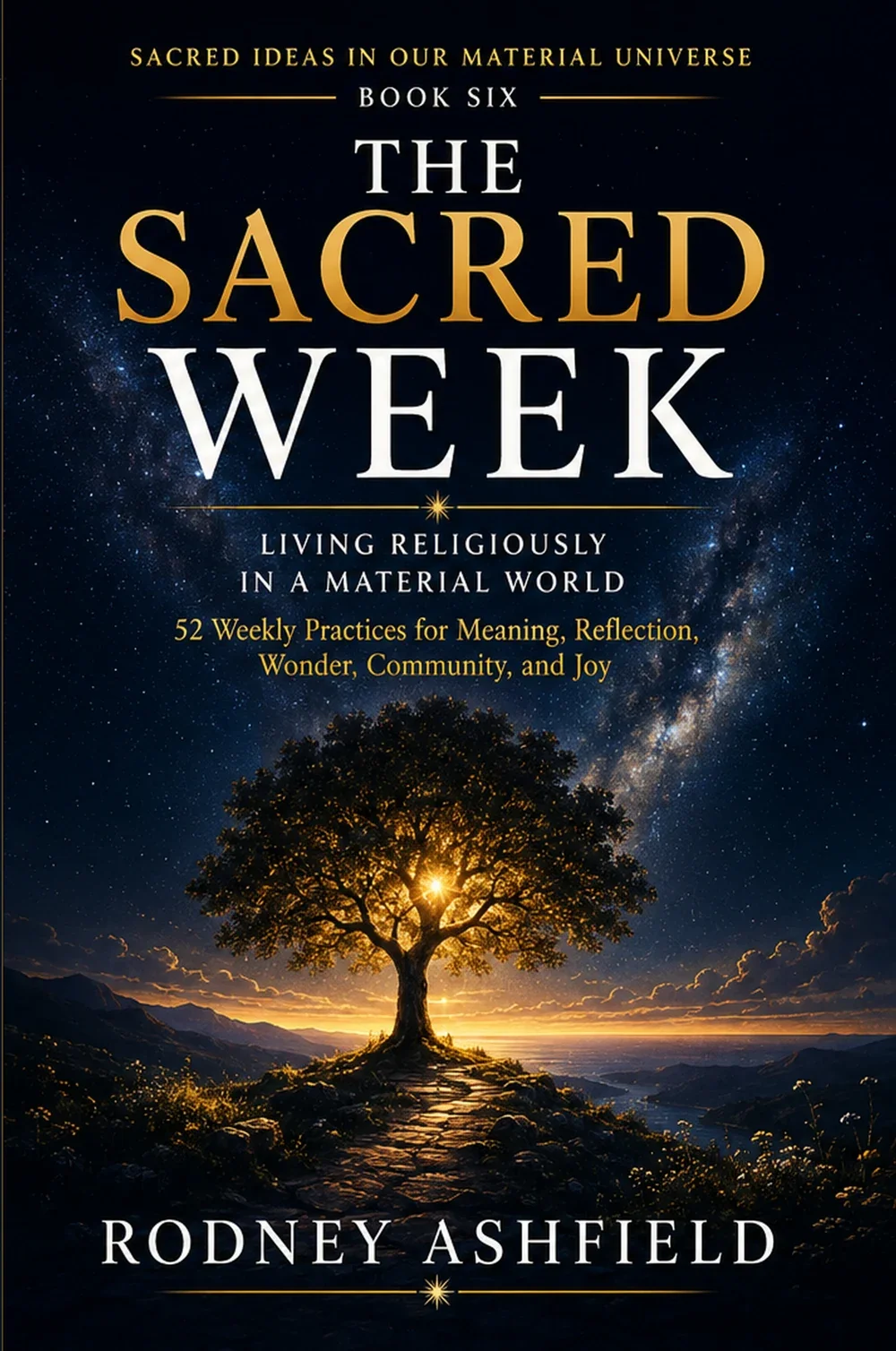
Book Six
The Sacred Week
Living Religiously in a Material World
Fifty-two weekly practices for meaning, reflection, wonder, community and joy in a material world.
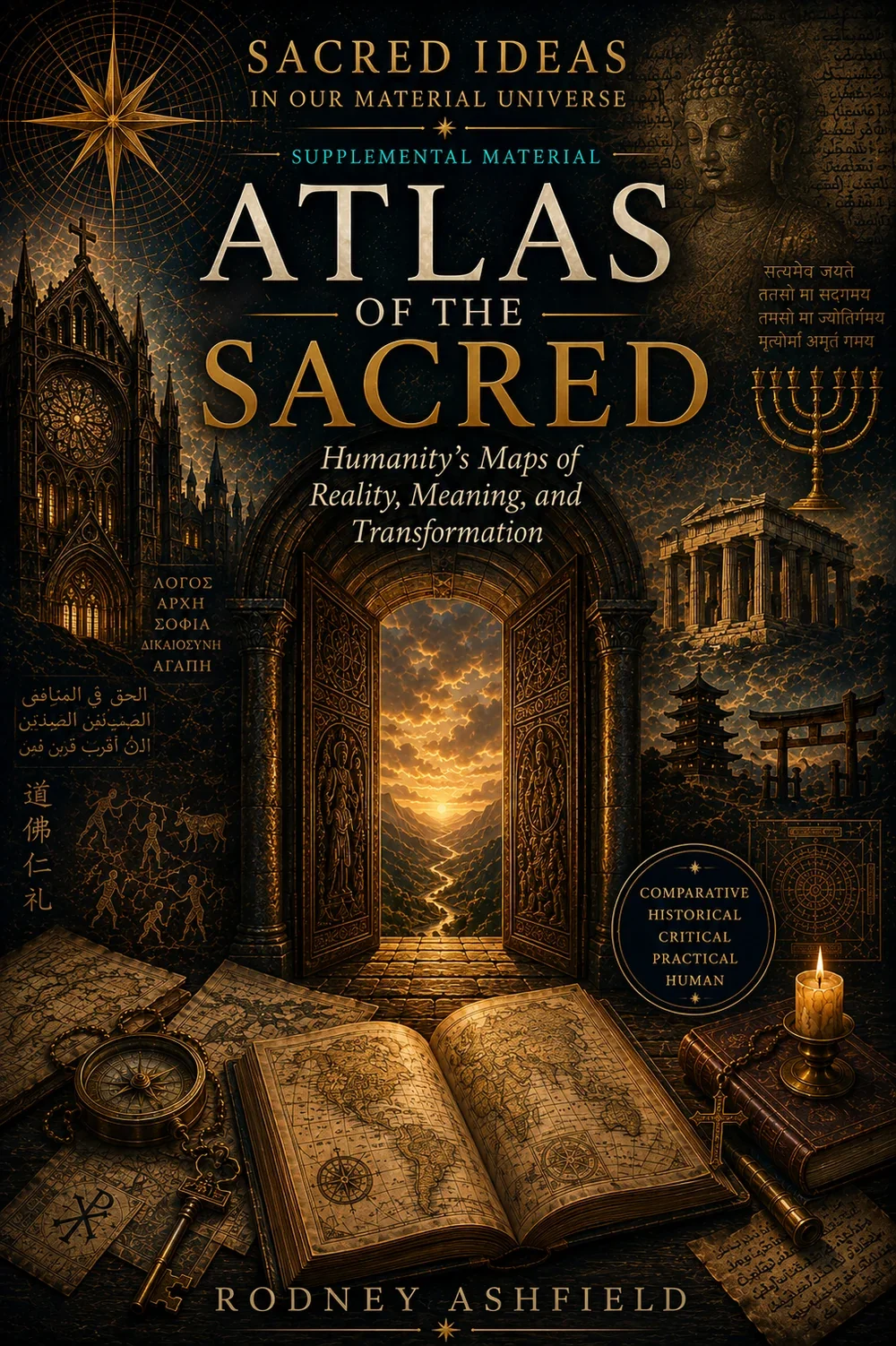
Separate companion · Forthcoming
Atlas of the Sacred
Humanity’s Maps of Reality, Meaning, and Transformation
A comparative map of the frameworks human beings have used to understand reality, meaning and transformation. The Atlas complements the six-book series.